

Replacement Lock For UPVC Door Locks
You may want to replace the uPVC locks on your doors to ease of use or for the sake of. For example when you've lost your keys or suffered a break-in. Hiring a locksmith to carry out this work isn't cheap however it's worth the security and peace of mind that a professional installation provides.
Lock Cylinder
The lock cylinder is a part of the locking mechanism that allows you to open or shut your door. It has a keyhole, and a slot to insert the key. The cylinder is enclosed by a case that protects it from the weather and other elements. The cylinder is connected to the handle by spindle, which is threaded into the socket of the handle.
The cylinder is typically made of brass, however other materials can also be used. It is crucial to select an enduring cylinder that will not change shape as time passes. This is especially important in the case of an exterior door, as it must be able to withstand harsh weather conditions.
It is recommended to replace your uPVC lock cylinder every 7 years. This will ensure that the lock is operating well and does not show obvious signs of wear. This will increase the security of your home and make it harder for criminals to gain entry to your home.
There are many lock cylinders on the market. They include Avocet GU Ferco, Mila and Yale. When selecting a replacement lock one, you must match the brand and style of the existing lock. It is difficult to install an entirely new lock without risking security.
When replacing the cylinder of a uPVC lock it is vital to determine the right measurements of the old lock cylinder before buying the new one. This will ensure that the new lock cylinder is the correct size for the existing lock and that it operates properly.
In some cases it may also be necessary to replace a handle. This can occur when a handle that is currently in use is damaged or if a keyhole is blocked. In this case, it is best to seek out a locksmith for professional assistance.
You can change the lock of a uPVC lock yourself with a basic toolkit and patience. It is first important to loosen the screws that hold the handle in place using the help of a Phillips screwdriver. The barrel screw is located on the side of the cylinder. After removing the old cylinder, it is time to install the new barrel lock. Install the screws. Once the new cylinder is been installed it is possible to screw the handle back in place and test the lock to ensure that it functions correctly.
Handle
It's a huge hassle when a uPVC handle breaks. It is good to know that replacing it can be as easy as using tools you already have at home. To disassemble the old lock mechanism, you'll need an screwdriver, a tape measure and a rubber mallet. You'll need to determine the manufacturer of the handle in order to obtain a replacement that matches exactly. This will make it simpler to replace the handle as the new lock will have exactly the same dimensions and markings the faceplate.
Open the door and prop or fix it so that it doesn't close during the process. You'll then need to loosen screws that keep the handles in the position. In most cases, there is one screw on each side of the backplate. Keep these screws in a safe location, since you'll need to reinstall them after installing a new handle. Now remove the levers and handles from the spindle (s). The levers should fall off with a little force. Pick up your new handle and insert the barrel, making sure that it matches the shorter section to the longest one on the old handle. Then put the long screw into place. Test the lock to see whether it works.
Changing your uPVC door locks is a crucial aspect of ensuring the security of your home. It is recommended to replace locks if they're having issues, such as difficulty inserting keys, or intermittent functioning. It's also worth considering upgrading your cylinder lock to an anti-snap version or adding security features, such as an sash jammer that can be fitted to the door.
It's also important to regularly maintain your uPVC doors by regularly applying a graphite-based lubricant to keep the handles from squeezing. It's a good idea to have spare keys made every now and then, because wear can affect the fit of the lock mechanism. It's important to be cautious when doing DIY repairs. Failed jobs can lead to more serious issues, which is why it's recommended to leave these tasks to the experts. Making sure you take care of uPVC locks and doors will ensure your safety and the safety of your family members for a long time.
Hinge
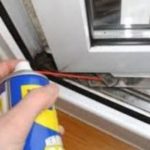
The hinge is a crucial part of your door and can change the way it opens and closes. If your uPVC door is struggling to open, it may be a sign that the hinges need adjusting. This can be done by using a few tools. If patio door lock replacement 're not familiar with DIY, or are concerned about the complexity of the task it is recommended to talk to a professional.
Despite proper maintenance, your uPVC door may begin showing signs of wear and tear after a certain time. Doors that are dragging or dropped, and draughts in the frame are common issues. These issues can be solved by altering the hinges as well as compression screws. You can also consider replacing the hinges if they are not working properly.
To avoid these issues, it is crucial to grease your uPVC hinges on your doors. Lubricating your uPVC door can help it function properly, and it can also prolong the life of your door. This is a straightforward process that you can do at home using a tiny amount of oil. It's also an excellent idea to put an extra security peephole or other measures in your uPVC door to further protect against intruders.
You could also try to adjust the hinges if your uPVC door is falling or sliding. Depending on the kind of hinge, you will require different methods to adjust it. For instance, a flag hinge is able to be adjusted by turning the screw in the middle of the door frame using an Allen key. Similar to a T hinge, a hinge requires you to make use of an allen key and turn it clockwise or counterclockwise. You should then check that the door fits correctly and is closed without catching the frame.
While uPVC door maintenance is relatively easy however some homeowners prefer calling in professionals to handle the task for them. A professional can provide a wide range of services and ensure that your home is secure. They will also have the necessary skills and tools to fix your uPVC door.
Strike Plate
The strike plate is a steel plate that appears like it has a hole in it and is attached to the frame of a doorway to give the latch a place to sink into when the door closes. It also keeps dirt and debris out of the latch hole. There are a variety of strike plates. Some are designed to fit a specific door, while others have special features to increase security or to perform a specific function.
Some strike plates, for example, come with a spring-loaded mechanism that allows the latches to go into the strike plate and then return to their seated positions once the door is closed. Dust-proof strike plates are designed to keep out dust and dirt while the door is opened or closed. There are even strike plates that come with a series of shims to fill in the gaps between the latch and the door frame to ensure more efficient operation.
Other strike plates are designed to be as energy efficient as is possible. They stop heat from leaving the house or cold air from entering and can also help reduce energy costs. This is a huge benefit to homeowners, particularly if you live in an area with cold or hot temperatures.
If you want to change your uPVC lock, it is important to select the best lock to meet your needs. You'll need to measure your brickwork opening, and then the door to determine the ideal fit. For the best results, hire an expert to do the job. A locksmith can make sure that your new lock is fitted correctly and won't cause any damage to the home.
A uPVC door is an excellent investment for any homeowner, and it can be a very effective deterrent to burglars. It is constructed from durable materials and comes with high-quality locks that make it difficult for burglars to gain access to the home. A uPVC is also easy to maintain and lasts for a number of years. It is also a great choice for those who are eco conscious. Its nonporous finish allows rainwater to flow through without damaging the surface, making it a great choice for homes in areas that are prone to rain.